
Common Types of Anxiety Disorders
Anxiety can take many forms. For some people, it means persistent worries about everyday responsibilities. For others, it shows up as fear of being judged, sudden episodes of panic, or avoiding situations that feel overwhelming.
Everyone experiences anxiety sometimes. But when fear or worry becomes persistent, difficult to manage, or disruptive to daily life, it may reflect an anxiety disorder. Understanding the different types of anxiety disorders can help you put words to your experience and seek support.
Anxiety disorders can occur together, so you may recognize yourself in more than one description. Some begin in childhood, while others develop during adolescence or adulthood.
This guide is intended to provide general information. It does not replace an evaluation by a psychologist or another qualified mental health professional.
Generalized Anxiety Disorder: Worry That Is Hard to Turn Off
Generalized anxiety disorder (GAD) involves excessive worry about several areas of life, such as work, school, finances, health, or family. The worries may shift from one topic to another, making it feel as though there is always something to anticipate or resolve.
Someone with GAD may recognize that their worry is out of proportion to the situation but still struggle to set it aside. Anxiety can also affect the body, contributing to muscle tension, restlessness, irritability, fatigue, difficulty concentrating, and trouble sleeping.
Social Anxiety Disorder: Fear of Being Judged
Social anxiety disorder involves intense fear of being scrutinized, embarrassed, or negatively evaluated in social or performance situations. Meeting new people, speaking during a meeting, attending a gathering, or giving a presentation may bring significant distress.
The concern often centers on how others might perceive you. You may worry about appearing awkward, boring, anxious, or unlikeable—or that others will notice blushing, trembling, or difficulty finding your words.
This goes beyond ordinary shyness. Someone may avoid situations they would otherwise want to participate in or endure them with considerable anxiety. Over time, this can limit relationships, educational opportunities, or work participation.
Panic Disorder: Fear of the Next Panic Attack
A panic attack is an abrupt surge of intense fear or discomfort that reaches a peak within minutes. Symptoms can include a racing heart, sweating, trembling, shortness of breath, chest discomfort, dizziness, nausea, or feeling detached from yourself. Some people fear they are losing control or dying. The duration can vary, and distress may continue after the most intense symptoms subside.
Having a panic attack does not necessarily mean you have panic disorder. Panic attacks can occur alongside other mental health conditions or in response to feared situations.
Panic disorder involves repeated, unexpected panic attacks, followed by at least one month of persistent concern about further attacks or their consequences, or significant changes in behavior intended to prevent them.
For example, someone may stop exercising because an increased heart rate feels frightening, or avoid places where they previously experienced an attack. Over time, fear of panic can begin to shape everyday decisions.
Agoraphobia: Fear of Being Unable to Escape or Get Help
Agoraphobia involves intense fear of situations where escape might feel difficult or help might be unavailable if panic-like or other incapacitating symptoms occur.
These situations may include public transportation, open spaces, enclosed spaces, crowds or lines, and being outside the home alone. The pattern involves fear across at least two of these categories. Someone may avoid these situations, feel they need a trusted companion, or endure them with considerable distress.
Although agoraphobia is often associated with difficulty leaving home, it can take less visible forms, such as limiting travel or carefully planning outings around access to an exit.
Specific Phobia: Fear Centered on an Object or Situation
Many people dislike heights, needles, or insects. A specific phobia involves a persistent, intense fear of a particular object or situation that causes significant distress or interferes with daily life.
Examples include fears of flying, heights, animals, injections, or seeing blood. Someone may organize their activities around avoiding the feared situation, even when doing so limits opportunities or creates practical difficulties.
Separation Anxiety Disorder: Distress About Being Apart
Separation anxiety disorder involves excessive fear or distress about being apart from important attachment figures. Although often associated with children, it can also affect adults. The attachment figure might be a parent, caregiver, partner, or another close loved one.
Someone may worry persistently that a loved one will become ill, die, or experience an event that prevents them from returning. They may struggle to leave home, be alone, or sleep away from that person. Nightmares and physical distress related to separation can also occur.
The anxiety exceeds what would be expected for the person’s developmental stage and interferes with daily functioning.
Selective Mutism: Difficulty Speaking in Certain Settings
Selective mutism usually begins in childhood. A child may speak comfortably at home but consistently be unable to speak in other settings where speech is expected, such as school.
This difficulty is not a deliberate refusal to speak. Anxiety may make speaking feel impossible, even when the child wants to respond or participate. Some children communicate by pointing, writing, or using other nonverbal methods.
The pattern goes beyond initial shyness and can interfere with learning, friendships, and expressing needs. An evaluation helps distinguish selective mutism from unfamiliarity with the language or communication difficulties.
A Related Condition: Illness Anxiety Disorder
Illness anxiety disorder involves persistent preoccupation with having or developing a serious illness, even when physical symptoms are absent or mild. Although health anxiety is central to the experience, this diagnosis is classified under somatic symptom and related disorders, rather than anxiety disorders.
Someone may repeatedly check their body, research illnesses, seek reassurance, or arrange medical appointments. Others may avoid medical care because they fear receiving a diagnosis.
The distress is real. Treatment focuses on understanding and addressing the anxiety while maintaining appropriate medical care.
Finding Support for Anxiety
You do not need to know exactly which diagnosis fits before seeking help. An evaluation can clarify your symptoms, identify overlapping concerns, and guide treatment. For additional information about anxiety disorders and treatment, visit the National Institute of Mental Health’s guide to anxiety disorders.
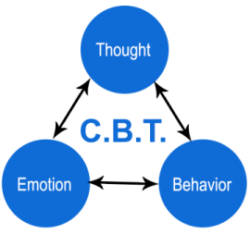
Anxiety disorders are treatable. Cognitive behavioral therapy (CBT), including gradually approaching feared situations when appropriate, can help people change patterns of worry and avoidance. Treatment may also include medication, depending on individual needs.
When choosing a therapist, ask about their experience treating your particular concerns and how they approach anxiety treatment.
If anxiety is narrowing your life, disrupting your relationships, or making everyday responsibilities feel overwhelming, support is available. Through therapy, we can work together to understand your anxiety and help you move toward a fuller, more flexible life. To learn more about working with me, explore my therapy services or reach out through my contact page.